Di gardu induk 110 kV, seorang insinyur melihat relai pengumpan trip dua kali dalam satu bulan. Kedua kali kesalahan tersebut hilang sebelum kru tiba. Utilitas memasang sensor arus dan suhu yang dipasang di saluran. Kumpulan data meng...
READ MORE

Dapatkan lebih banyak konten yang dapat membantu Anda
I. Definition and Core Characteristics
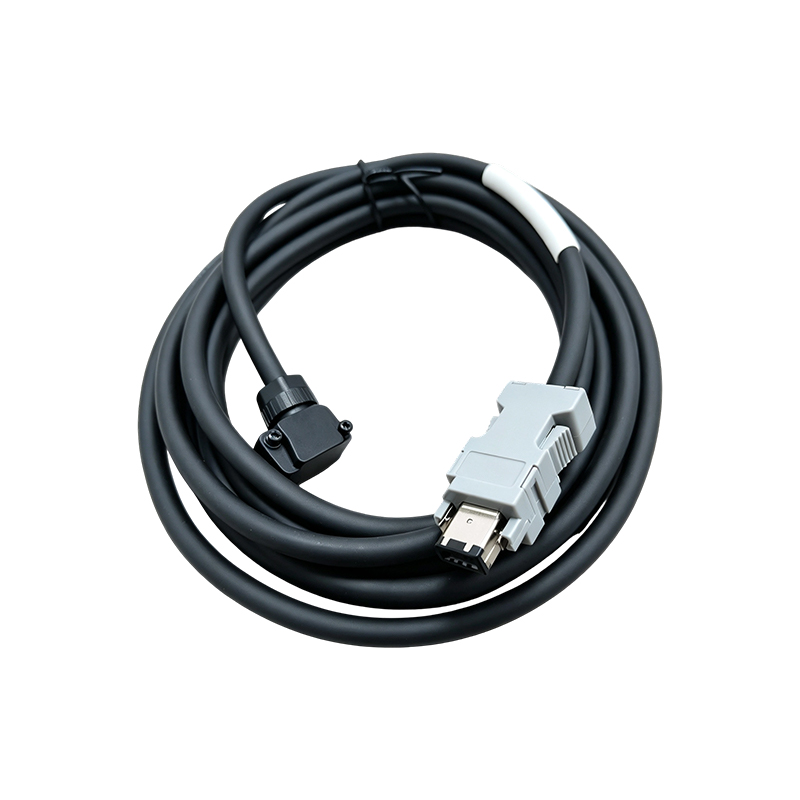
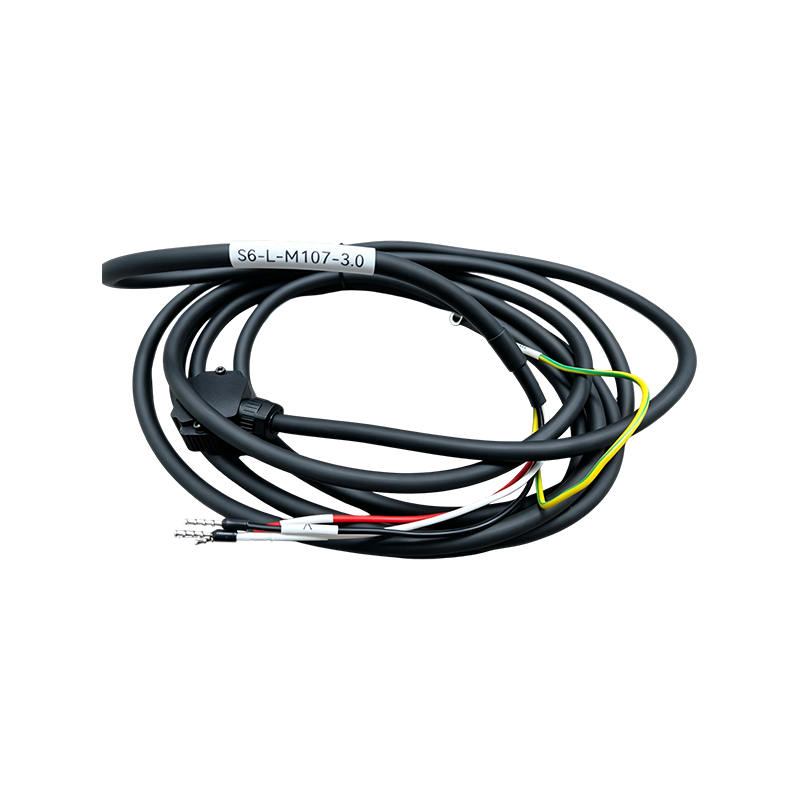
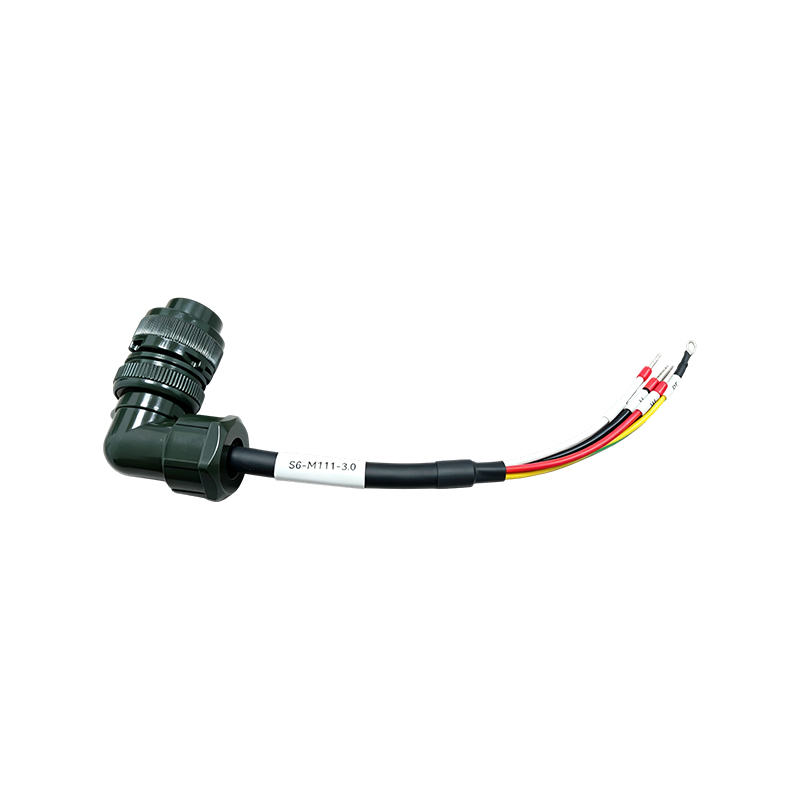
A wiring harness (also known as a cable assembly) is an integrated connection product formed by assembling multiple wires, connectors, and terminals according to a specific electrical circuit and mechanical routing layout. Widely used in servo drive systems, industrial robots, CNC equipment, and various automated devices, a wiring harness is not merely a bundle of loose wires but a critical connection component that combines conductivity, signal transmission precision, mechanical durability, and environmental adaptability. Its quality directly determines the operational stability, safety, and service life of the equipment.
Core characteristics include:
Combined High-Precision Signal and Power Transmission: A wiring harness typically integrates power lines (U/V/W phase wires and PE grounding), encoder signal lines, brake control lines, and communication bus lines within a single assembly, requiring simultaneous handling of high-current power delivery and interference-sensitive signal transmission.
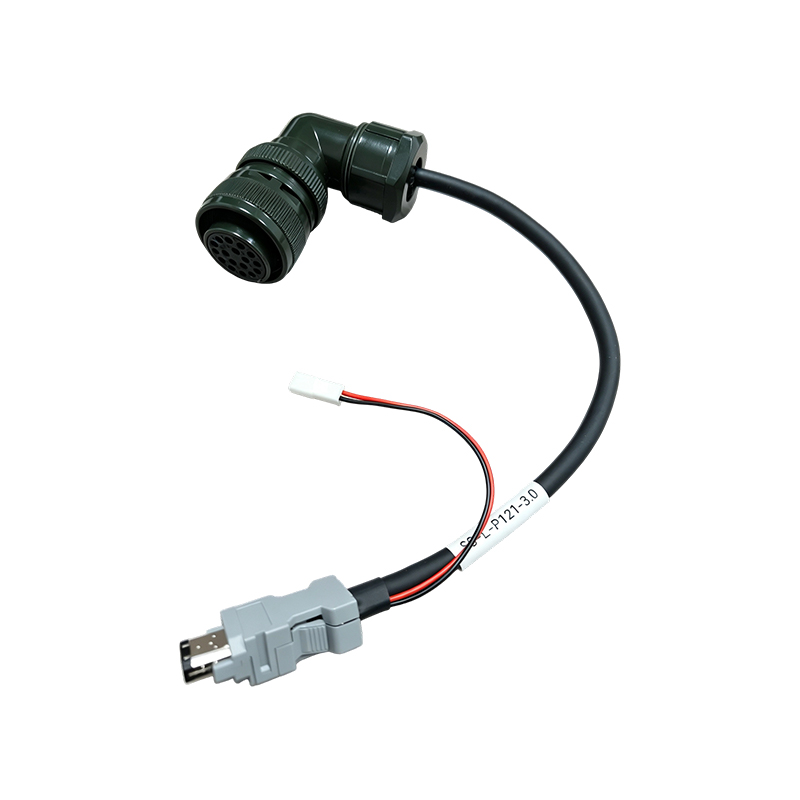
Standardized Interfaces with Anti-Mismating Design: Both ends commonly use standard aviation connectors or dedicated industrial connectors with keyed pin arrangements, ensuring precise mating with drives, motors, and encoders while preventing incorrect insertion.
High Flexibility and Bend Resistance: Must withstand repeated dragging, bending, and vibration during equipment operation, with particularly demanding flex-life requirements in drag chain and robotic arm applications.
Strong Environmental Adaptability: Must resist oil, dust, moisture, and temperature fluctuations found in industrial environments, with sheath materials offering oil resistance, abrasion resistance, and flame retardancy.
II. Main Types and Application Scenarios
Classification by function:
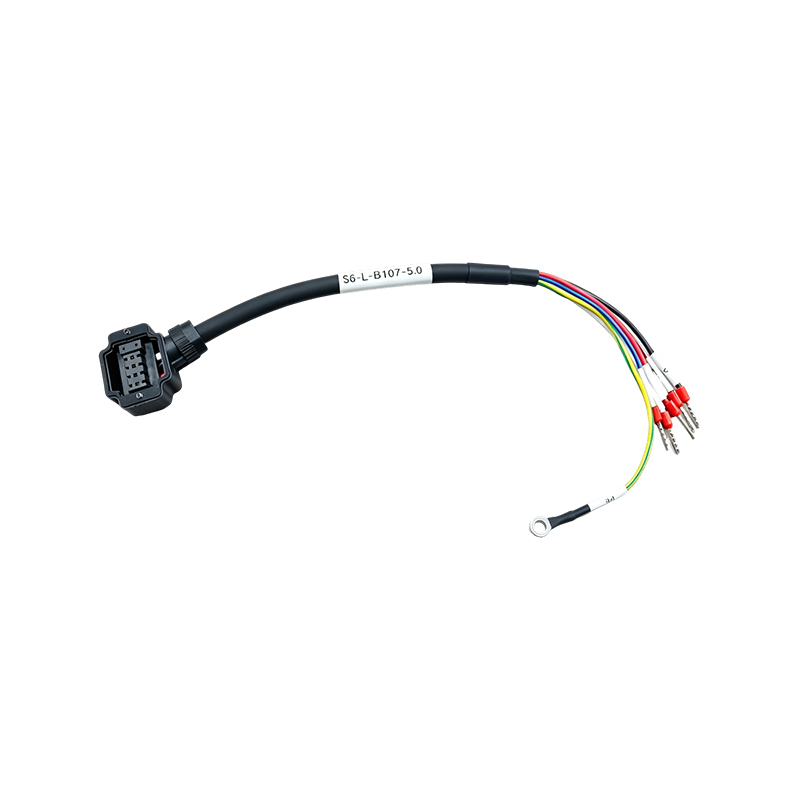
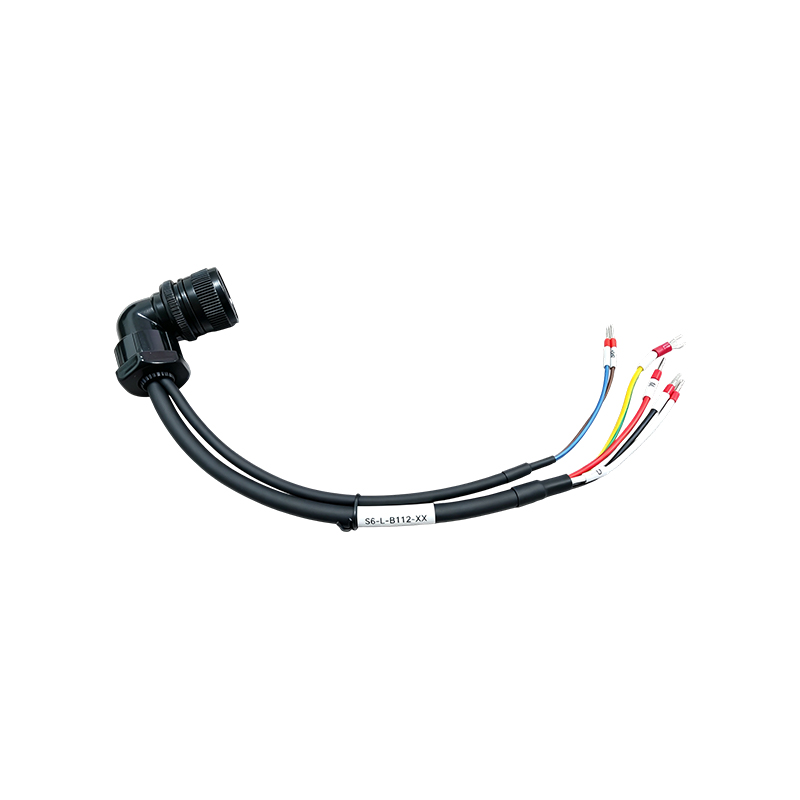
Power Cables: Responsible for three-phase power transmission and grounding between motors and drives, serving as the core energy delivery channel of servo systems.
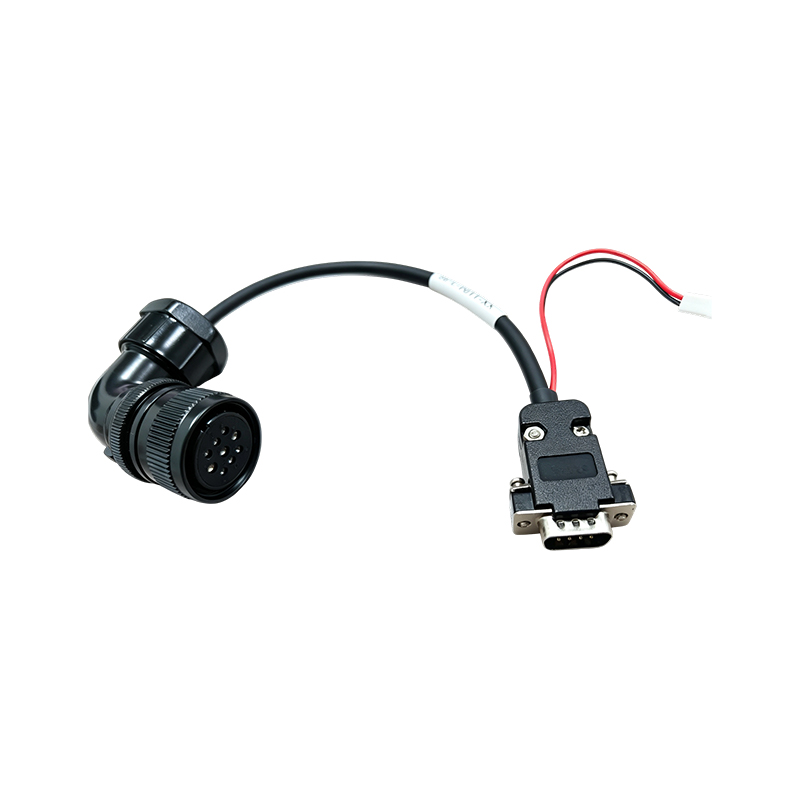
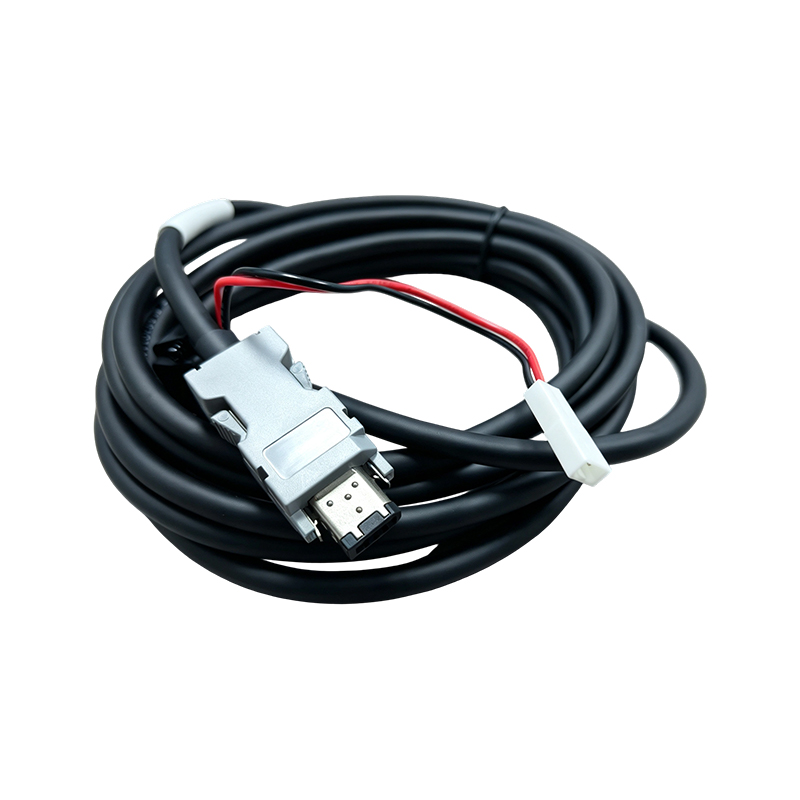
Encoder Cables: Transmit position and speed feedback signals between motor encoders and drives, requiring effective shielding to suppress electromagnetic interference and preserve signal accuracy.
SV660 Encoder Cable with Brake Power Line: A composite cable integrating encoder signal transmission with electromagnetic brake power supply, designed for the integrated wiring requirements of specific servo drive models.
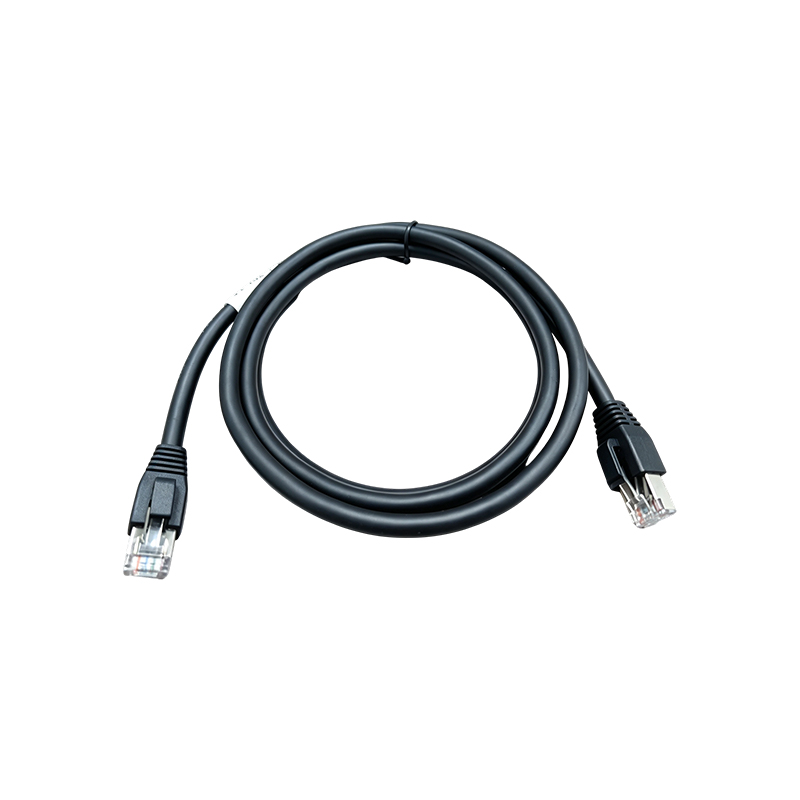
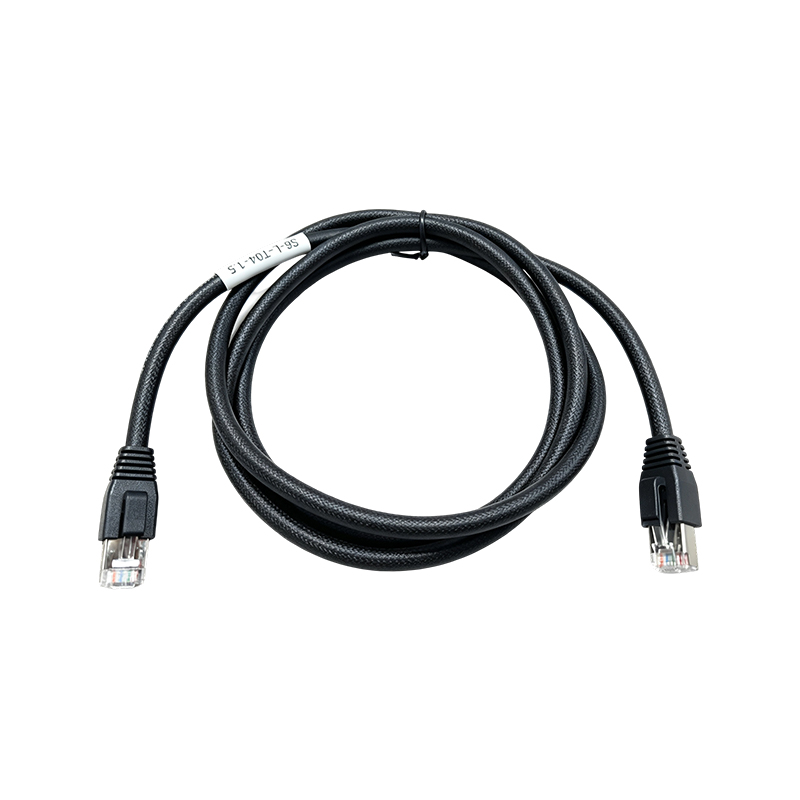
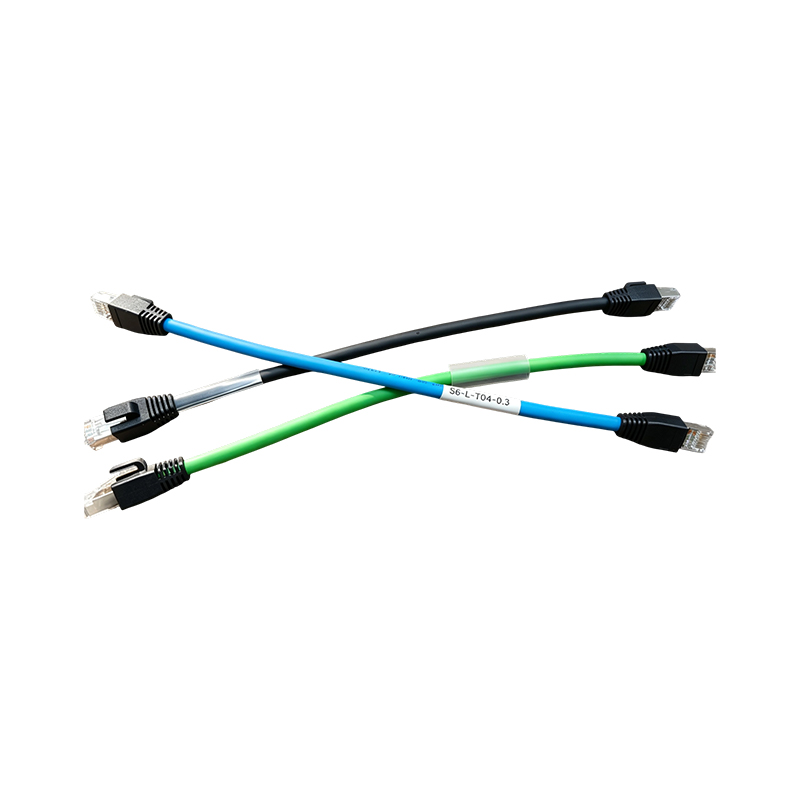
Bus Cables (Network Cables): Used for industrial communication networking between drives, controllers, and host computers, meeting high-speed transmission and anti-interference requirements.
Application scenarios span CNC machine tools, industrial robots, automated production lines, packaging machinery, textile and printing equipment, and electronic manufacturing systems, making wiring harnesses an indispensable connection link in modern automation control systems.
III. Key Production Process Controls
Conductor Design and Manufacturing: Power cables use multi-strand flexible copper conductors to ensure current-carrying capacity and flexibility, while signal and encoder cables employ fine-strand multi-core conductors combined with twisted-pair construction to reduce crosstalk and electromagnetic interference.
Shielding and Insulation System: Signal cables commonly adopt a composite shielding structure of copper foil combined with braided mesh to effectively suppress high-frequency electromagnetic interference and protect weak feedback signals from distortion; power cable insulation is designed to meet corresponding voltage-withstand requirements.
Sheath and Reinforcement Layer: The outer sheath uses oil-resistant, abrasion-resistant, and weather-resistant composite materials (such as PVC and PUR), with some drag-chain-specific models incorporating internal fiber reinforcement layers to enhance tensile strength and bend resistance.
Connector Assembly and Terminal Crimping: Plugs, sockets, and terminals are assembled using precision crimping and injection-molding fixation processes to ensure stable contact resistance and compliant waterproof/dustproof sealing ratings.
Full Testing: Every wiring harness undergoes continuity testing, insulation resistance testing, high-voltage testing, and signal function testing prior to shipment, ensuring product pass rate and operational reliability.
IV. Core Advantages
Safe and Reliable: Multi-layered structural design balances electrical safety with mechanical protection, and combined with flame-retardant materials and precision shielding, effectively reduces the risk of short circuits, interference, and signal loss.
Efficient Connection: Standardized interfaces with anti-mismating design significantly shorten on-site installation and commissioning time, enabling true plug-and-play operation.
Flexible Customization: Cable length, connector model, and terminal type can all be customized according to customer equipment interface requirements, broadly compatible with automation systems from different brands.
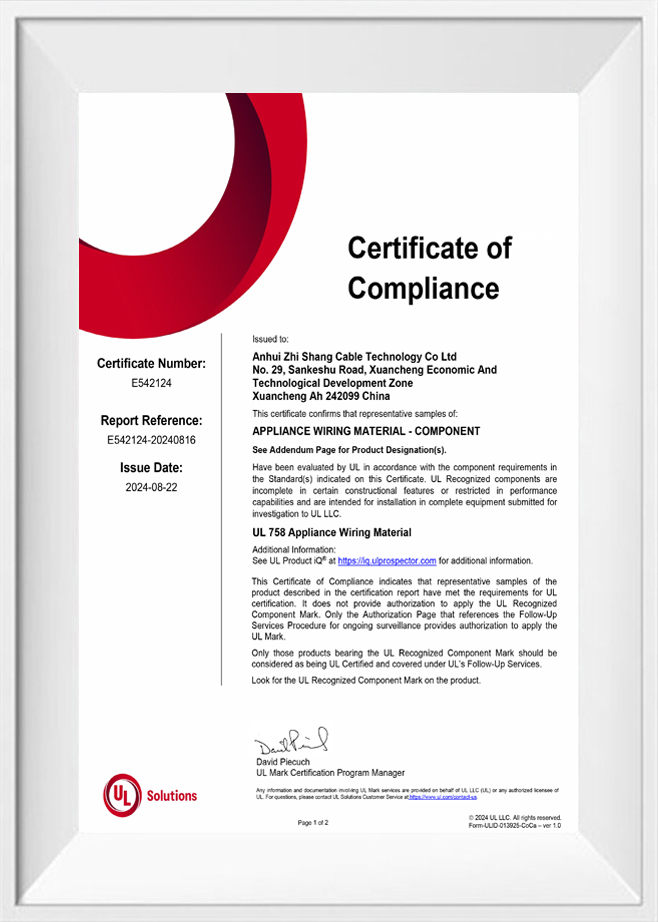
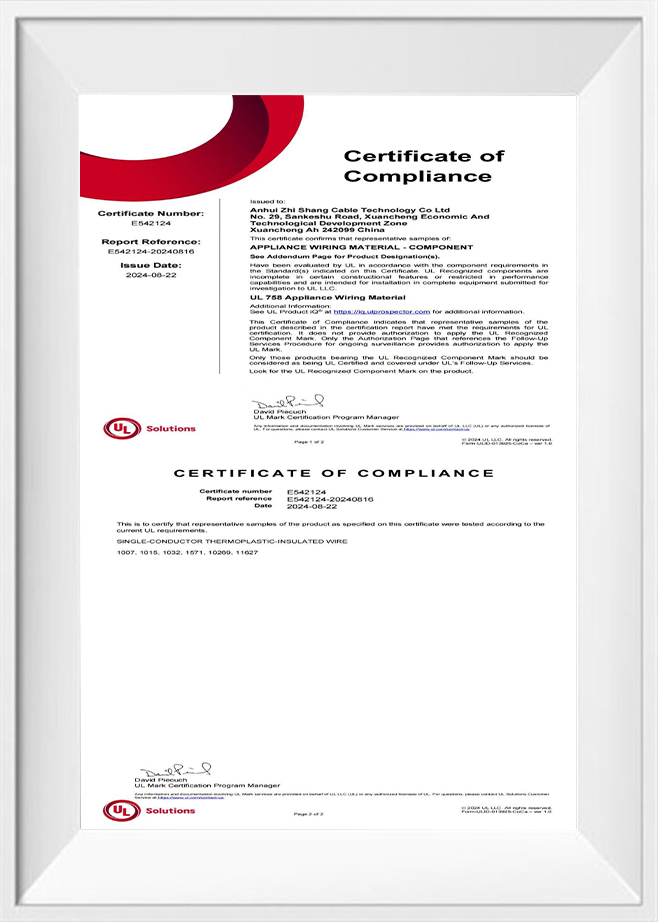
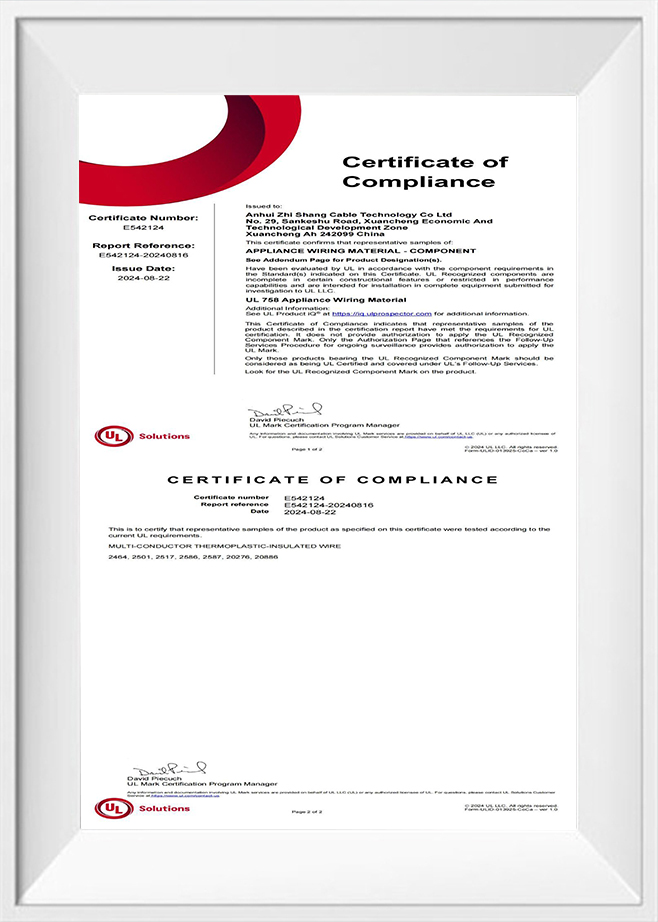
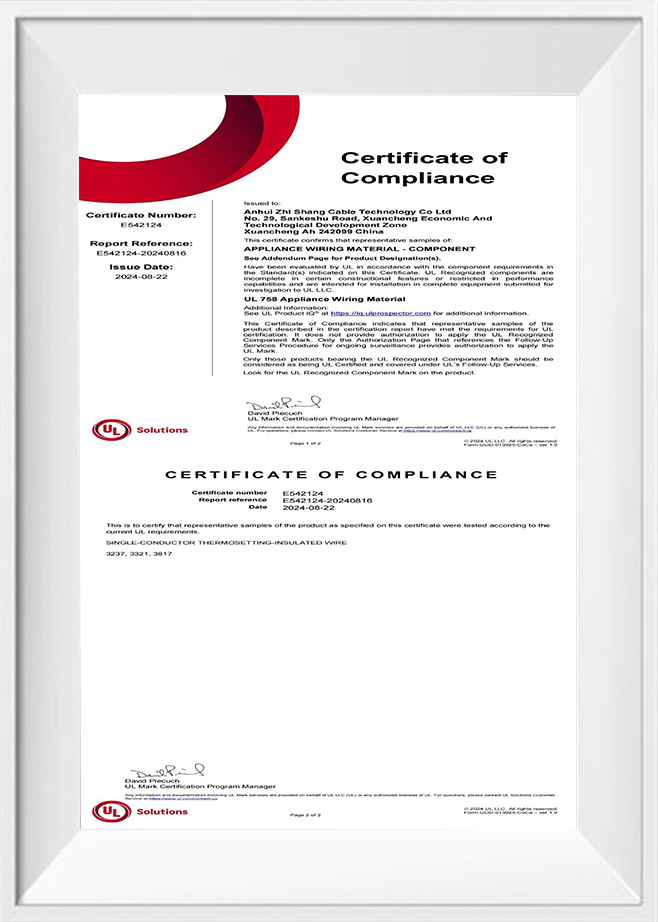
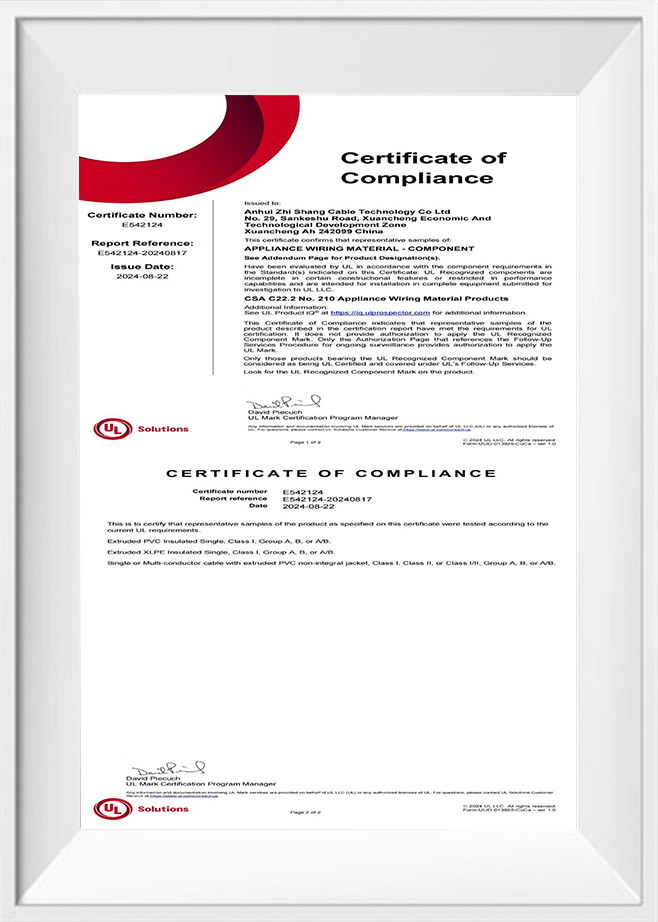
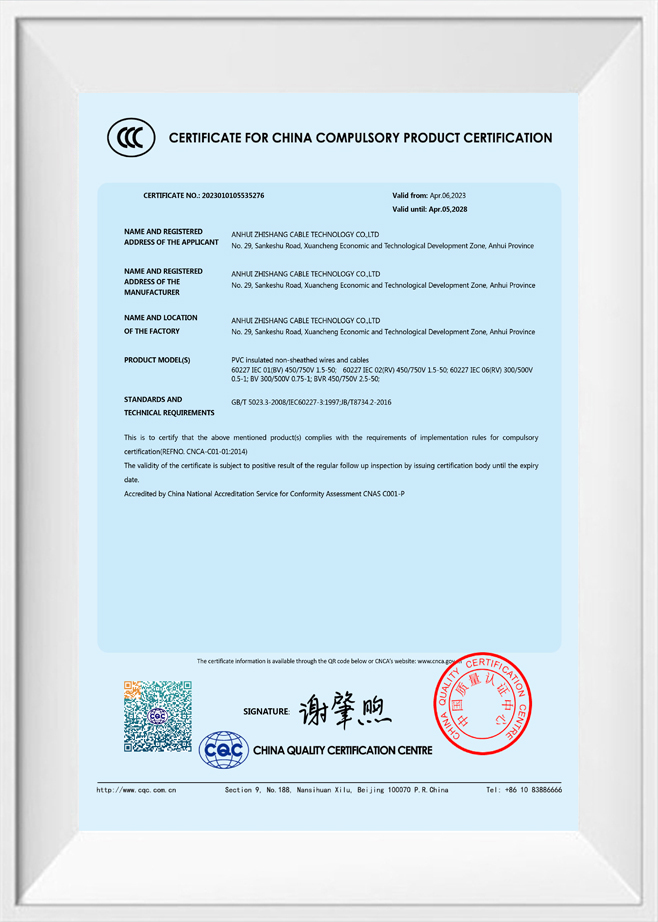
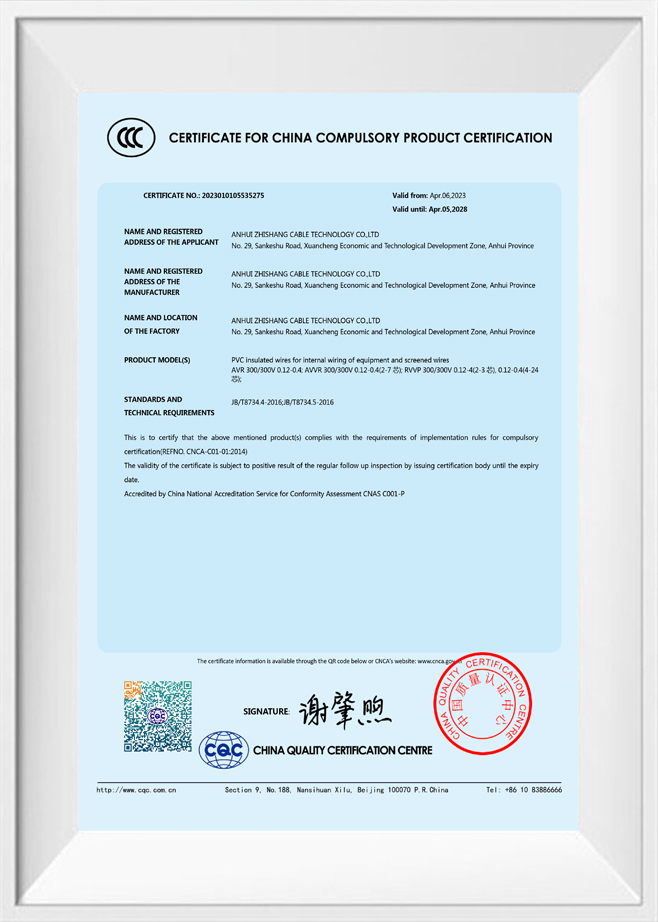
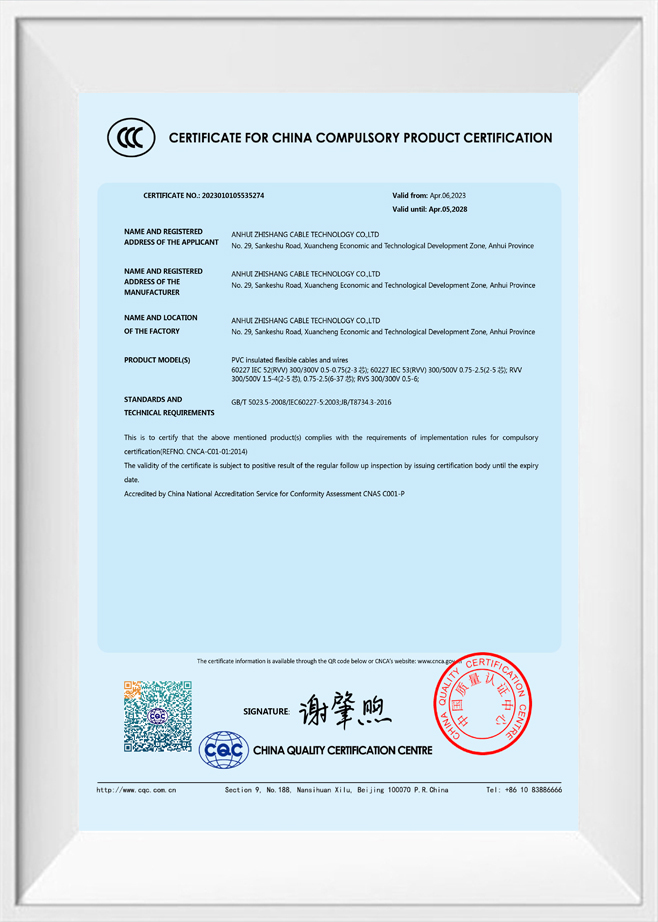
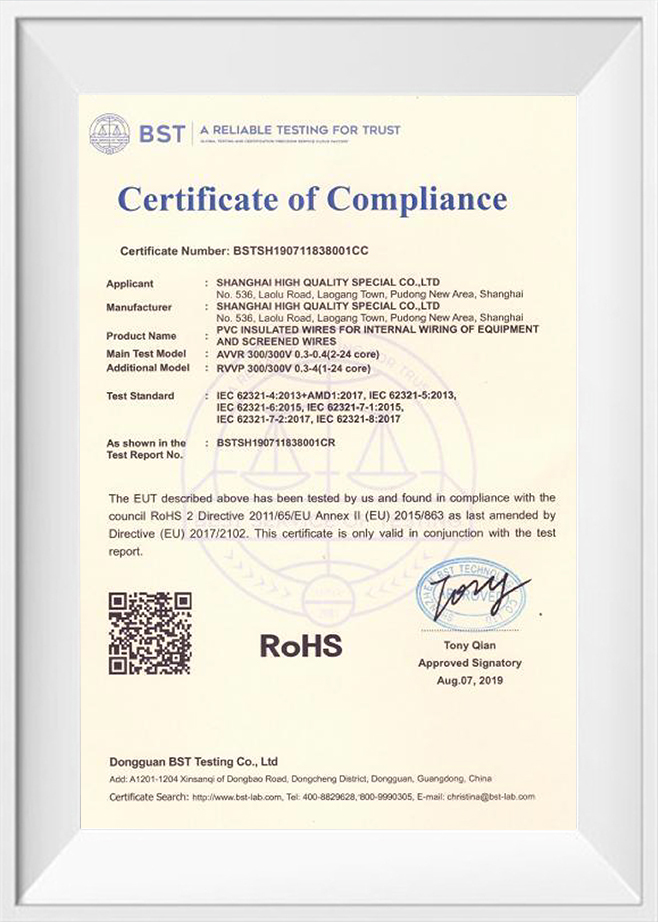
Standards Compliant: Products strictly follow national standards and industry regulations, and have obtained authoritative certifications such as 3C and CE, ensuring compliant use in both domestic and international markets.
Summary
Wiring harnesses serve as the "nerves and bloodstream" of automation control systems, delivering both power and signal feedback. Their technological level directly determines the precision, efficiency, and safety of equipment operation. As industrial automation and smart manufacturing continue to advance, highly flexible, well-shielded, and integrated wiring harness products have become the development direction for cable assemblies supporting servo drive systems.
Menerangi Ribuan Proyek Itu Menghubungkan Masa Depan Dunia
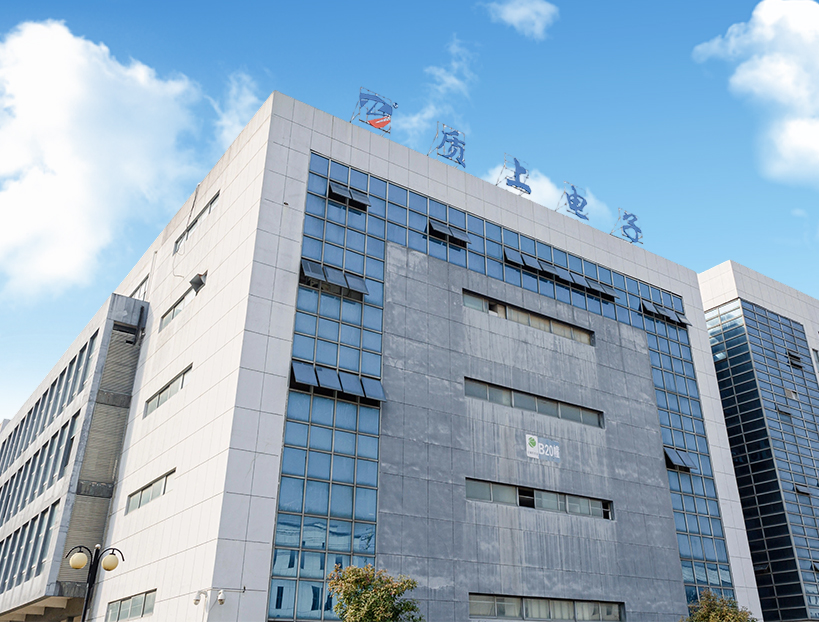
Anhui Zhishang Cable Technology Co., Ltd. is an enterprise integrating the R&D, production, and sales of wires and cables. Tali Kekang Kawat Manufacturers and OEM/ODM Tali Kekang Kawat Factory. Dedicated to developing high-quality wire and cable products, the company provides customers with stable and reliable integrated cable solutions across a variety of industries, including industrial automation, weak current engineering, intelligent manufacturing, appliance equipment, and power engineering. We operate a modern production facility spanning over 5,000 square meters, equipped with 10 automated production lines, supporting scalable manufacturing capabilities. Custom Tali Kekang Kawat. Our monthly output reaches up to 10 million meters, enabling us to accommodate large-volume orders and maintain a steady, reliable supply for customers worldwide.


Di gardu induk 110 kV, seorang insinyur melihat relai pengumpan trip dua kali dalam satu bulan. Kedua kali kesalahan tersebut hilang sebelum kru tiba. Utilitas memasang sensor arus dan suhu yang dipasang di saluran. Kumpulan data meng...
READ MOREJika Anda menempelkan ujung kabel serat optik hidup ke dinding dan melihat cahaya merah samar, Anda sedang melihat sinyal itu sendiri. Cahaya itu adalah data: sumber cahaya kecil yang menyala dan mati jutaan kali per detik. Kabel opti...
READ MORESeorang insinyur yang menentukan kabel untuk jalur produksi tidak memerlukan kuliah tentang kimia polimer. Pertanyaan sebenarnya adalah praktis: akankah insulasi ini melindungi konduktor selama masa pakai peralatan, dan dengan biaya y...
READ MORE
Kami sangat yakin bahwa kabel yang bagus tidak hanya itu kompetisi materi, tetapi juga refleksi keahlian, kualitas, dan tanggung jawab.

Tautan
Produk
Kirim Pertanyaan
Jalan Sankeshu No. 29, Distrik Xuanzhou, Kota Xuancheng, Provinsi Anhui, Tiongkok
+86-18621104555/+86-563-2622999
 Tali Kekang Kawat Manufacturers
Tali Kekang Kawat Wholesale
Tali Kekang Kawat Manufacturers
Tali Kekang Kawat Wholesale